

Perception and actions (P330)
Role: Co-instructor.
Instructor: Prof. Geoffrey Bingham
Topics included:
Vision and Optic Flow
- Information for locomotion: How can light inform an animal?
- Surfaces, structured light and the optic array
- The optic array and optic flow
- Self-motion
- Occlusion
- Texture gradients
- Slant, Optic Tunnel and motion parallax
- Global optical flow: Formal description
- Heading and steering
- Scaling actions to the surrounds: affordances
- Looming and Time-to-Contact
- Controlling approach
- Structure of the eye and visual neurophysiology: How many visual systems?
- Motion detection and smart mechanisms
Coordination and Control of Movement
- Degrees of freedom and context conditioned variability (Intro to muscles)
- Efference and afference in the control of movement
- Equilibrium point control: Joints as mass-spring systems
- Equilibrium point control, Reaching & Dynamics
- Dynamics and stability of rhythmic movement
- Interlimb coordination and self-organization
- Running robots & Visual control of running over irregular terrain
History and systems of psychology (P459)
Role: Co-instructor.
Instructor: Prof. Geoffrey Bingham
Topics included:
- Empiricism & Rationalism in Greece B.C.: Heraclitus, Parmenides, (Pythagoras), Plato & Aristotle
- Empiricism & Rationalism in the 17th & 18th Centuries: Part I. Kepler, Galileo, Newton & Descartes. Part II. Hobbes, Locke, Berkeley & Hume. Part III. Reid & Kant
- German Sensory Physiology & Psychophysics: Part I. Bell-Magendie, J. Müller, Helmholtz. Part II. Helmholtz, (Leibniz, Herbart), Weber & Fechner.
- German Voluntarism & British/American Structuralism: Wundt & Titchner
- The German Loyal Opposition & Act Psychology: Part I. Ebbinghaus, Brentano & Stumpf. Part II.Kulpe, Mach & von Ehrenfels
- The British Disloyal Opposition & Associationism: Mill, J.S. Mill, Bain & Spencer
- Natural Selection, Individual Differences and Intelligence: Darwin, Galton, Cattell, Binet, Spearman, Goddard & Terman
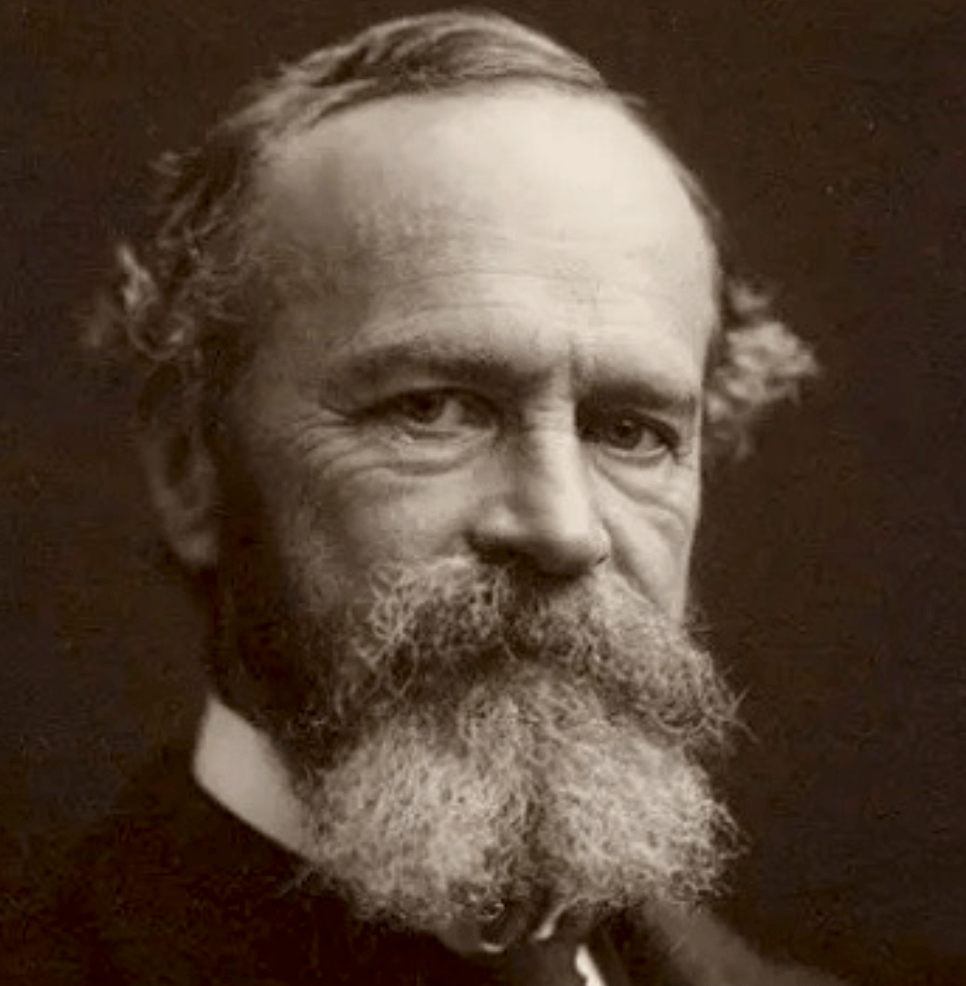
- Functionalism at Harvard: William James
- Functionalism at Hopkins, Chicago & Columbia: Hall, Dewey, Angell, Carr, Woodworth & Thorndike
- Behaviorism 1913-1920: Pavlov & Watson
- Behaviorism 1920-1940: Tolman
- Behaviorism 1940-1970: Hull et al. & Skinner
- Gestalt Psychology: Wertheimer, Köhler & Koffka
- Cognitivism: Lashley, Chomsky, Piaget, Weiner, Miller & Neisser, etc.
- Ecological Psychology: Gibson and Static “Higher Order Variables”
Method of experimental psychology (P211)
Role: Teaching Assistant.
Instructor: Dr. Dylan M. Layfield
Statistical techniques (K300)
Role: Teaching Assistant
Instructor: Dr. Brandi Emerick
Course description: K300 introduces you to the descriptive and inferential statistics routinely used in the behavioral sciences.A majority of people will never perform statistical analyses, but they will consume a vast array of statistical information, from news reports, scientific studies, political polls, social media, weather reports, and sports. Statistics is everywhere in our modern lives, and understanding it will allow you to better comprehend current events, evaluate scientific claims, and make informed decisions in your personal life, such as which product to buy or what medical treatment is best. You will gain intuition regarding when and how statistics can be used and misused (intentionally or inadvertently) and will learn how to gather relevant information to make assessments of statistical techniques used in different contexts.
Introductory Psychology II (P102)
Role: Teaching Assistant
Instructor: Dr. Peter Finn
 Pin Yang